The Heavy-Metal Names Are Not Background Easter Eggs
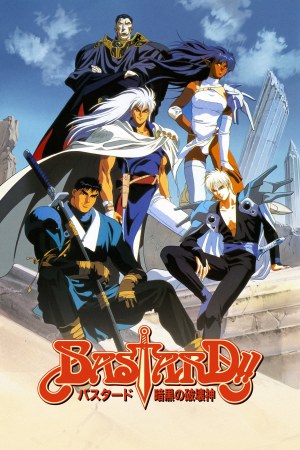
BASTARD!! does not hide its music references in the background.
Hagiwara builds kingdoms, monsters, spells and character names out of heavy-metal language. The joke is structural enough that the fantasy world starts sounding like a record collection translated into swords and sorcery.
How you can tell
Meta-llicana, Anthrasax and Dark Schneider are only the most obvious layer. Once you hear the pattern, the setting stops pretending the references are accidental.
Why it matters
The metal vocabulary tells you how seriously to take the pose. BASTARD!! can stage an apocalyptic magical duel and still knowingly behave like it wants the duel printed on an album cover.
English Localization Blurred Some of the Music Jokes
The English release history adds another layer to the naming gag.
Pioneer and Viz altered a number of band-derived names rather than reproducing every reference directly. That means an English viewer can hear or read names that are close to the joke without seeing exactly the same joke a Japanese reader would recognize.
Why it matters
When two BASTARD!! fans remember a place, spell or monster under slightly different names, they may both be remembering legitimate versions of the same localization history.
The OVA's Abruptness Comes From Compression, Not From Six Unrelated Stories
Myth: The 1992 OVA is basically six disconnected fantasy episodes.
The transitions can be sharp because the OVA is compressing an existing manga arc into six short episodes.
The through-line remains consistent: revive Dark Schneider, recover Yoko, resolve former allies, confront the Lords of Havoc and stop the immediate Anthrasax crisis.
Why it matters
The missing connective tissue is real, but so is the structure underneath it. Treating each episode as one movement in the Dark Rebel Army conflict makes the adaptation much easier to read.